
You are currently browsing the tag archive for the ‘Aviation’ tag.
I had to have a meeting with the head of security at work last week.
In his office…
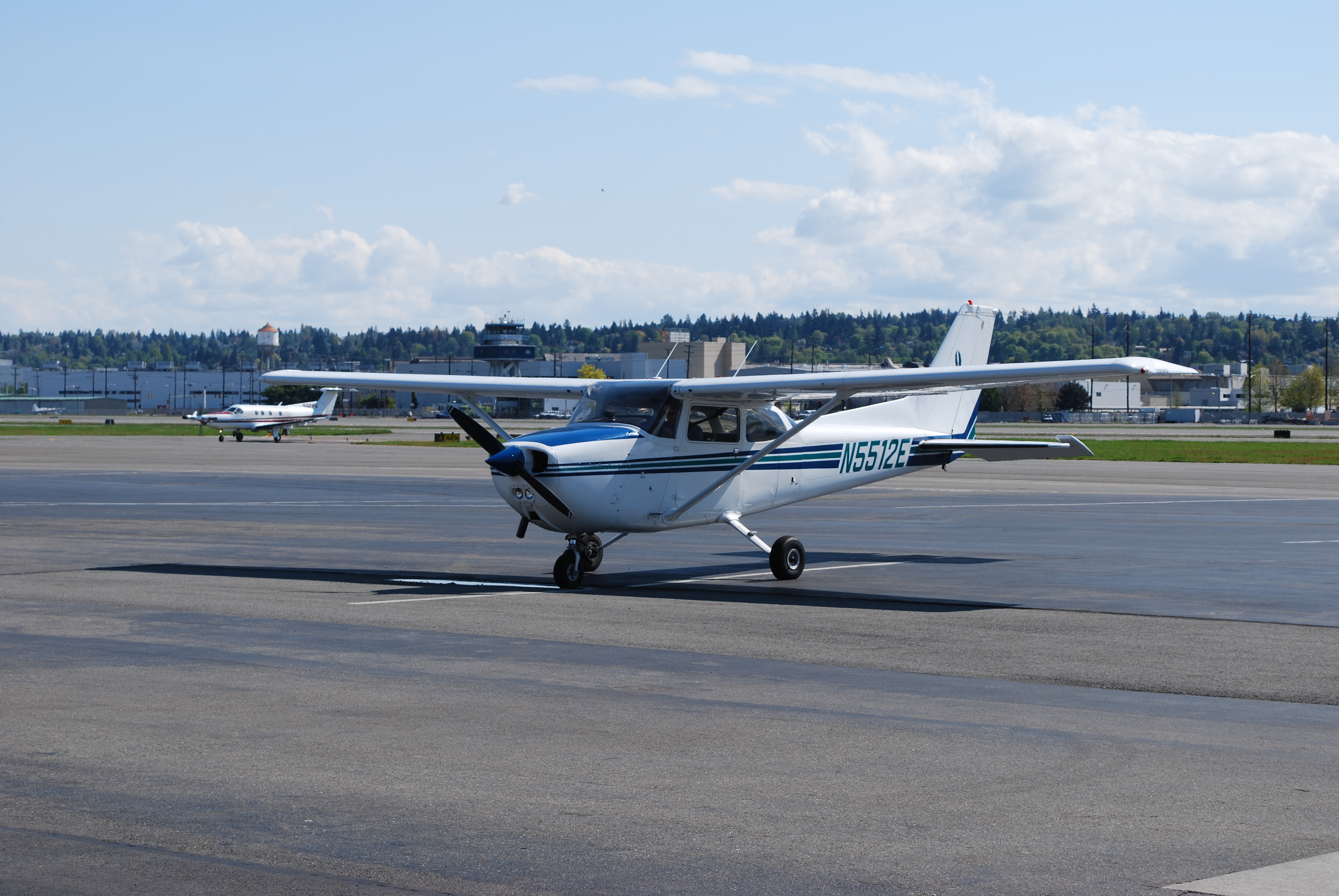
We decided to get some fresh air while we were doing it.
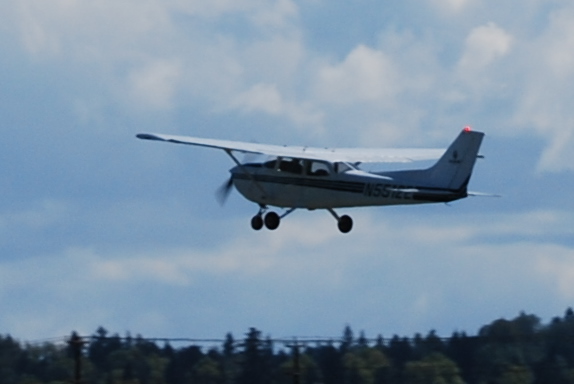
And some scenery…

He let me lead the meeting for a bit while he was researching some stuff – (full frame shot there)

And I didn’t have to use the barf bag at all – (though I was sure thinking about it – seems the resonant frequency of my tummy means 120 mph isn’t a good thing… 90 mph works fine.
Finally it was time to call the meeting to a close…

And I sat in the airport lobby for awhile – just letting my tummy settle down – it was good to let that happen.
It was fun – too much other stuff going on – I simply had to take the day off to try to decompress.
Take care folks –
Tom
So based on Greg’s comment on last week’s story about me ‘embellishing’ things – I just had to put this story up. It happened in August of 2010, and like a lot of my stories – it started out as an email to a friend, in this case, one who’d told me to go out and do something fun that weekend.
It involved Greg.
And he gave me permission (well, actually, told me I had to) write this story.
So without too terribly much editing, here’s the story/note I wrote to my friend who wanted me to go do something fun, and come back with pictures to prove it…
==
I had a fun morning – went to see the Blue Angels down at the Museum of Flight.
I chatted with my buddy Greg for a few hours in the parking lot of the Museum until the coffee we’d drunk earlier at Randy’s needed a place to go…
But I’m getting ahead of myself…
Greg and I had been sitting in my ’68 Saab, sharing stories, and watching the planes at Boeing Field. One of the stories involved something that had actually happened about 50 feet from where we were sitting right then, it was a story of me talking my way onto the only flying B-29 in the world, but before that, successfully badgering a newspaper photo editor I didn’t know,
…for a paper I’d never seen,
…into holding space on the front page
…for a picture I hadn’t taken yet,
…from a plane I had never been on,
…and was quite literally trying to talk my way onto.
We laughed, and Greg kept talking about my golden tongue and how I could talk my way into anything – using that B-29 as an example. I needed the laughter. I’d been feeling a little down about a lot of things, wondering about life and stuff, and recovering from some recent surgery, and Greg’s a very good friend, and did a lot of listening, and a lot of encouraging, for which I’m grateful.
Eventually, the coffee we’d had earlier needed to be dealt with, and since it was still raining, we just drove down toward a row of Porta Potties at the far end of the parking lot. As we did, we looked around and noticed we were one of only two cars in the formerly crowded lot. We saw that the other car was parked beside the Porta Potties we were heading for, right next to this canopy kind of a thing with a sign on it that said something like “SR-71 Pilot and Author”.
That got us talking about SR-71’s, (there’s one in the Museum of Flight) – and I told Greg about this one mission – the only one I could remember reading about right then, in which one of the pilots had flown from England to Libya, and on the way back out, the plane just flew faster and faster – and they had to hang a left to meet their tanker out by Gibraltar. They did (when you’re flying Mach 3+, that takes a bit of geography) – and the pilot pulled the throttles back over Sicily – and still ended up overshooting the refueling tanker over Gibraltar… (note: if my math is right, that’s about 1,100 miles of coasting – you can read the story here.
We stopped, Greg got out to take care of his stuff, and I took a second look at that sign, “SR-71 Pilot and Author”.
It was still raining, and under that canopy was a fellow, sitting in the only dry chair in the parking lot, surrounded by a bunch of empty, wet tables, all of whatever he was selling was gone – he was just sitting there with his feet up, talking on a cell phone.
Alone…
In the parking lot.
In the rain.
Hmm…
SR-71 pilot?
Well heck, I figured that there couldn’t have been too many of those, I wondered if he knew the guy who’d done that Libya flight Greg and I’d just been talking about. So while Greg headed off to take care of his business, I approached him – and he motioned he’d be off the phone in a minute, so I waited, and while I was waiting I saw the name on his banner – “Brian Shul.”
Hmm… I had no idea who Brian Shul was, but it seemed like he must be that SR-71 pilot – or maybe know him.
He ended his call.
“Are you Brian?”
“I sure hope so, been signing his name all day.”
“Say, I was just telling my buddy here about an SR-71 pilot who did a mission out of Libya and ended up overshooting his tanker out by Gibraltar… “
“That’s me.”
“… and I was wondering if you happened to know who that pilot might be…”
“In fact – the whole story’s in my book, would you be interested in a copy?”
My mind was already several sentences past that last one before it came to a screeching halt and processed what I’d just heard.
“He… you… that pilot – waitaminute…”
I had no idea that I’d actually stumbled into one of my own stories – and turned around to see Greg, who’d heard that interaction as he was coming back, and saw his jaw do what mine must have done just seconds before, which was to simply obey the law of the acceleration of falling objects and hit the pavement of the parking lot in just under a second.
You see, one of the things we’d been talking about was how Greg thought I might have embellished some of my stories – and about how easy it can be to do.
But the funny thing is – if I tell a story – well, I tell a story… I don’t think I embellish it, I just tell it. (often they simply didn’t need embellishing, they just needed to be told well).
We talked with Brian for a bit.
I shook his hand.
I bought his book.
He autographed it for me.
Greg took a picture of him and me – beside my very definite “sub-sonic” Saab, because I needed proof to show a friend that I’d done something fun that weekend.
And the funny thing is, Greg and I both learned something that afternoon.
We learned that you never know when you’ll stumble onto – or into a story, and it had become very clear that I didn’t need to embellish a dang thing on this one, because no matter what anyone asked, it was absolutely true that at the very moment I was telling Greg the story of the SR-71, the very pilot of that plane in that story, was sitting not 100 feet away, under a canopy, in the rain, on the south end of the parking lot at the Museum of Flight, right next to the Porta-Potties.

- Coincidentally, in the picture above, Brian and I are standing next to my Saab 96, built in 1968. The plane Brian was flying (tail number 960) in the story I was telling Greg, is now down at the Castle Air Museum, right next to Castle Air Force Base, where my dad was stationed, back in 1968.
What heaven must be like.
I’m an airplane nut who’s seen airplanes from the ground once too often.
I’m a cancer survivor who realizes that “someday” is not a day of the week, that life is not a dress rehearsal, and that I have been given a second, and actually a third chance.
I’m a guy who’s spent far too much time working and not enough time playing.
It’s been my dream to fly since I was a little boy, when my dad was in the Air Force, and when times were simpler, and the magic of the skies was still new and still fresh…
And I’d seen sailplanes, here in the states, and in Germany where I spent part of my growing up years, and there was a magic to them, an allure that no other airplane had. They would fly circles for what seemed like such a long time – and just magically stay in the sky.
I mean, to fly is simple…
Jump.
There, you flew for a second.
Wanna fly longer?
Get a trampoline.
Wanna fly MUCH longer?
Well, now you’re talking wings of some kind – and that’s where things get interesting.
If you want to fly even longer than that – well, now you’re talking engines and propellers. And when you talk engines, then you need fuel, oil, electricity, a cooling system, and gauges to tell you what they’re all doing – and things get simultaneously a little simpler (to go up, push the throttle(s) forward, to go down, pull back on them), and a lot more complex (in addition to flying, you also have to manage all the systems that have anything to do with the power you have available with that throttle).
Another side effect of having an engine is that it also makes things noisy to the point of often having to wear earmuffs to filter out the noise…
They say that the main reason for the propeller is – well, it’s a fan to keep the pilot cool, because if it stops running when he’s in the air, he starts to sweat, but really – it’s to make the flying thing simple… Push forward on the throttle, go up.
Pull back on the throttle, go down.
So if that engine, whether that’s a piston engine, a jet, or rocket engine quits, you are now officially flying a glider. A Cessna 152, for example, will go forward about 9 feet for every one foot it goes down. It might do that at 60 mph. That’s called the glide ratio, in this case, it’s 9:1. The space shuttle – which is also a glider when it’s coming in, goes forward about 3 feet for every one foot it goes down, so a 3:1 glide ratio, it’s just that it does it a WHOLE lot faster, from a WHOLE lot higher up.
Now aside from those types of planes, there are planes that are designed from the get-go to fly without engines. They’re called Sailplanes, and the best of them can have a glide ratio where they’ll go forward 60 feet for every one foot they go down. They are truly, truly amazing works of engineering, craftsmanship, and art.
This means that the space shuttle, for all its engineering brilliance, has a glide ratio a lot closer to that of a crowbar or a brick than that of an actual airplane.
So I made myself a promise awhile back – I guess you could call it one of the things on my “bucket list” – that I would fly. There were so many things that kept me from doing it – but the other Sunday, I realized once again, that life is not a dress rehearsal, that “someday” is not a day of the week, and that there is no contract anywhere that says anyone is obligated to give me tomorrow.
Realizations like that tend to be fairly deep.
The events that cause realizations like that are often quite a bit deeper.
But on the day I had this realization, the weather was perfect, and the next two weekends were the last of the season. I knew I’d be gone on one of them, and had no guarantee of the weather on the second one.
This made the decision relatively easy to make.
I asked my son if he wanted to get out of the house for the afternoon, and with such a perfect fall day, he agreed. I told my wife and daughter we were heading out for a bit – and I have to say that even though I wasn’t sure that I’d go flying – it seems I was subconsciously setting things up so that my options were never limited.
We drove for about an hour to get to this little airfield (Bergseth Field) out in the middle of nowhere – and on this gorgeous Fall day, they were as happy to see us as we were to be there…
We watched – and the difference between this airport and any other airport I’d been at in a long time was like the difference between a calm pool and a roiling river.
If you wanted to take off, they’d look up in the sky to see if there were any other planes coming in – and then you’d hear them yell ‘Pattern Clear” – and off they went, quite literally taking off from the edge of a cliff.
It seemed that for the exchange of a few little oval pictures of dead presidents, one could buy a ride in one of those sailplanes. Michael was more interested in me going than in going himself, so the exchange was made, and along with the pilot, I got into the two-seater sailplane, a Schweitzer 2-33. After I was buckled in, and Michael had handed me the camera, I looked right…

Michael’s smile made this feel like the absolute right thing to do.
…and saw him smile, which told me I was doing the right thing, and that he was simply happy because I was living a dream.
We took off heading west for a bit, swung north, then did a 270 degree turn to the left, climbing the whole way…
Notice I said, “We took off…”
Something to realize is that flying a sailplane is the only type of aviation I’m aware of that has the aerial equivalent of calling a triple-A tow truck as a standard, expected part of the deal. You don’t take off like a normal airplane, because you have no engine. So you essentially ‘borrow’ one from somewhere. Some places have huge winches that launch you into the sky, some will use a car or other vehicle, some even use huge, huge rubber bands, and some will use another airplane – and that’s the one that’s the aerial equivalent of a tow truck. Very strong, very stable, very reliable.
And that’s the one we used.
As we climbed, near Enumclaw, Washington, the pilot of the tow plane turned toward nearby Mt. Rainier.
I was awestruck.

I felt a breeze…
After we got up to altitude and the tow pilot had let us go, the pilot sitting behind me asked a simple and profound question…
“Would you like to fly?”
The little boy in me, the one who had wanted to fly for over 40 years, was jumping up and down so hard that the seat belts were strained and the canopy was in danger of cracking. The 40+ year old man that the little boy was in, sitting in the front seat of an old, but still graceful sailplane, tried to hold down his excitement and said, “Sure, I’d like to give it a shot”.
And for a moment, both the little boy and the man, held the stick for the first time.
We flew.
I flew.
And a breeze blew, and Heaven’s curtain parted for a moment to allow me to peek inside.
I flew!
Wow.
The pilot brought me back into the cockpit by asking if I could keep the wings level, and the nose just below the horizon. I’d done it often enough in my dreams that it was easy.
He had me turn the plane south, and I learned that when you bank a sailplane to the right, for example, the plane wants to go straight for two reasons, one, it just likes the whole equilibrium thing, and two, the drag and the leverage from the aileron on the “upwing” side pulls that wing back a bit, turning the nose left, not right. I gently pressed the right rudder pedal with my right toe, got the nose going the right way – and I learned what was meant by ‘seat of the pants flying’ – you really do feel it in the seat of your pants.
We turned again, and the pilot complimented me on the turns and asked if I’d flown before.
In Reality?
No.
In dreams and in my mind?
Yes.
The adult in me was soaring – I was above the cares of the world, and nothing else mattered.
But the altimeter unwound just like a timer, when there was no more altitude, our time would be up. He landed it, and I saw my son smiling as he walked toward us.

That magical moment made for happiness both in the air and on the ground.
His smile matched my own, but for different reasons. He was simply happy for me to have finally lived that dream.
So was I… So was I…
We talked a bit as we drove home, about life, and the usual things, but my mind kept drifting back up to that blue, blue sky, and I found it hard to keep both feet on the ground when I’d held the sky in my hands.

(C) 2011 Tom Roush
A number of years ago, when I was just starting out in college, I’d often find myself driving through McChord Air Force Base (now Joint Base Lewis McChord) in large part because
a) I could, and
b) there were SO many cool airplanes there.
One weekend they had an actual air show, with the Thunderbirds, and aerial demonstrations of guys jumping out of perfectly good airplanes, explosions, the whole works. It was great. I got to walk around the flight line and look at planes up close I’d only been able to look at from a distance, and in some cases, I was able to go out and either touch them or actually, the most fun, sitting in the cockpit of a military airplane, and pretending to fly it, you know, just like you do when you’re a kid.
So later that week, after the airshow was over in reality, but I was still reliving it in my mind, I happened to go over to McChord, and look out at that very same flight line, and of all things, found an F-4 Phantom in the very last spot on the left. This is a plane that sucks down more gas in a minute than your car does all year. Speaking of cars, I parked mine in a legal zone (no, really) and was just drawn to the Phantom.
I walked over toward it, with my hands behind my back – I wanted to be sure that if anyone did see me and had this feeling like I shouldn’t be there, that my hands were in a very obvious spot of not being able to do anything…
The plane was facing away from me, and I walked around it clockwise, starting on the left side and working my way around. I looked at, but didn’t touch those elevators that were angled down so sharply.
I walked further, hands still behind my back, and ducked under the wingtip, which is angled up ever so slightly.
I looked into the engine intakes, imagining how much air they must have sucked in as those big J-79 engines spooled up.
I couldn’t see into the cockpit, but walked around the front of the plane – still careful not to touch anything, and made it back around the other side, and finally came to the gaping maw that was the back end of those engines. The F-4’s engines have what are called ‘afterburners’ – which means simply that if you have the jet engine running at full throttle, and the engine simply can’t put out more thrust, you start pumping buckets of fuel into the hot exhaust – where it – well, it doesn’t ‘explode’ – but all those pictures you see of military planes with 20-30 foot flames out the back? That’s what happens when you hit the afterburners. It can easily double the thrust of an engine.
Now the J-79 engine was weird, in a way… It was the one engine the military had that, surgeon general’s warning or not, they simply couldn’t get to stop smoking. If it was idling, it was fine. If it was in full afterburner, it was fine. If it was anywhere in between, it smoked.
It was like leaving a big arrow penciled into the sky saying, “Hi! Here I am!” All you had to do was look up and follow the pencil mark in the sky. At the end, sure as anything, there’d be an F-4.
It made camouflage and stealth kind of a moot point.
But those engines, oh gosh – I’d seen what they could do in real life. I was in a KC-135 tanker, shooting pictures of one being refueled somewhere over Missouri. The plane, call sign “Misty 42”, was in the pre-connect position 50 feet behind us. Gus, the boom operator (the boom being the big pipe that did the refueling) called out on the radio “Misty 42, forward 50” – as in “come forward 50 feet” – and this 60,000 pound plane that was parked back there behind us, just shot forward those 50 feet and then stopped like he was anchored there – right where Gus could top it off. And when Misty 42 was finished, I saw something I’d only seen in movies – the pilot banked hard right, pulled hard on the stick, peeled off, and was gone.
So when those engines were running, they would just leave this layer of soot in the sky, and, coming back down from the sky and to that flight line, where I was standing with both hands behind my back, I was mesmerized by the business end of these huge jet engines, some of that soot I was talking about had been left inside the engines, creating a blackness so total it would make charcoal look white. It gave a totally new definition to the term “black hole” and I was wondering how much of a problem it would be to swipe a little soot off the engine of a Phantom.
It was this wondering that caused curiosity to prevail over common sense.
…but not by much…
I unclasped my hands, and slowly, with my right pinkie, swiped it against the inside of that engine, to see if any of that blackness would actually come off. It didn’t seem to, I was looking at my pinkie, trying to figure it out, when
“Can I help you, sir?”
Uh oh…
One of the United States Air Force’s finest SP’s (Security Police) was standing there, in uniform, which was as complete as a military cop’s uniform could be…
“Uh, no, actually, I was just looking at the F-4 here”
“Did you know, sir, that you’re not allowed to be here?”
My gosh he was polite…
On the other hand, he could afford to be. He had Mr. Smith and Mr. Wesson snug in a leather holster at his side to help him out, should he need it.
“Sir, see, there’s this red line here on the pavement…”
He was right… there was indeed a red line on the pavement…
“Sir, you’re not supposed to cross that line.”
“Really?”
“Did you see the signs painted on the ground, sir?”
“No – I mean, I was just here the other day…”
“Sir, that was for the air show. See here?”
…and he walked me over to where one of the signs was indeed painted in a big white rectangle on the ground.
“They’re painted on the ground every 100 feet.”
And I’d parked my car beside the hangar, and walked right out there, between two of them, totally oblivious to the signs, and totally focused on the F-4…
“Sir, can you read the line in red there, near the bottom?”
I started reading the stenciled letters on the pavement.
“Sir, do you understand what that means?”
And things suddenly became very clear. That line there meant that Mr. Smith and Mr. Wesson didn’t necessarily have to stay in their little leather holster, they could have come out to back up the Security Police officer and no one would have batted an eye.
“Yes sir, I do.”
He escorted me back to my car, realizing that I was just a young kid not much younger than he was, likely just as much of an airplane nut as he was, but I was driving a little red Saab (1967 model 96, 3 cylinder, two stroke, and a 4 speed transmission, on the column, for those of you who are curious) at the time, all by myself, and he was driving a blue Air Force police cruiser, with his pals Mr. Smith and Mr. Wesson quietly squeezed into the front seat with him.
I was a little more careful from there on out, but I still considered McChord my home away from home.
…
Fast forward 21 years. I’d gotten married, had the wonderful privilege of becoming a father, and lo and behold, there was another air show at McChord AFB. I took my son to see the show, and this time I got to the McChord AFB air show in a little blue Saab (1968 model 96, Deluxe, with a V-4 engine, and a 4 speed transmission, on the column, for those of you who are curious), and this time, I wasn’t alone.
We watched, and heard the Thunderbirds tear the sky apart again – watched the aerial drops, the explosions, all the cool stuff, it was great – and then as we were walking through the displays – I realized I’d been there before. Not just on McChord AFB, but as I looked around, wondering why the hangars looked familiar, and why the tower looked so familiar, not just individually, but collectively, I felt this incredible feeling of déjà vu, suddenly I realized I was standing on the spot – THE VERY SPOT where that F-4, the SP, and Mr. Smith and Mr. Wesson had been those many years earlier.
I’d told my son the story you just read more than once, to the point where he could do the little swipe with his pinkie just exactly like I did it, and I knew, I just knew, I had to show him that spot, and take a picture of the sign on the ground, with the red letters, and the red line on it.
And I did…
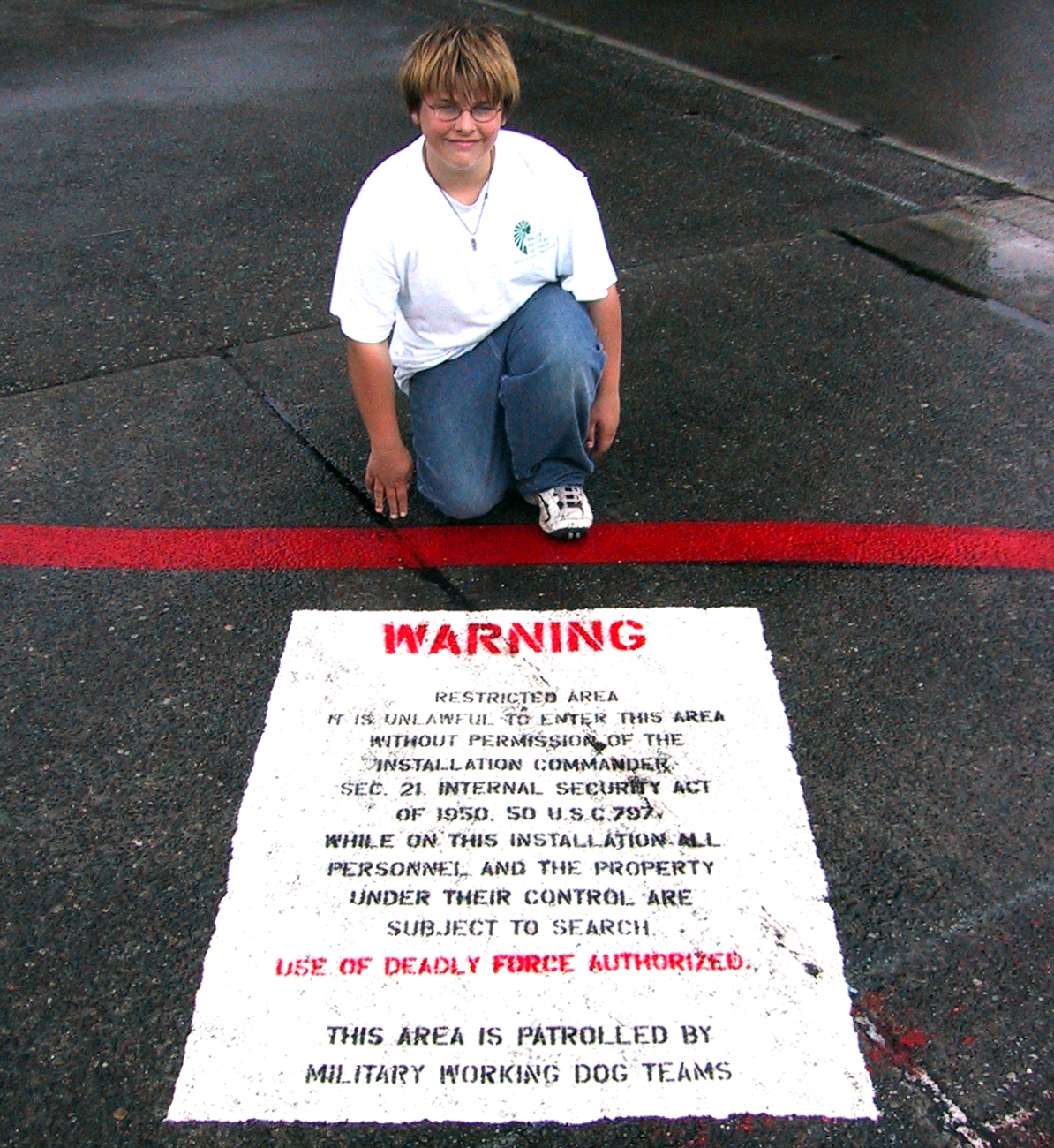
Sure enough… it was still there.
I got the shot of him with the sign in the story I’d told him so many times.
…
Fast forward again – to the year 2010, I’d done a presentation in Tucson, and found that after the presentation, we had a few hours to do some touristy things, and given the fact that I am an airplane nut, and that the last time we’d been in Tucson I’d only been able to drive past it, the Pima Air Museum was definitely on our list. It has hundreds of airplanes, and in the few hours we had, we tried to see as many as we could. We walked past some, paused for a moment at others.
And then I saw an F-4 and stopped cold.
A Phantom.
“Michael! This is it! This is the kind of plane I was talking about!” –
…and I did the little pinkie swipe with my right hand.
He knew exactly what I meant, and before I could do anything or even stop him, he’d gone to the back of the plane, and I suddenly knew what the SP had seen those many years ago.
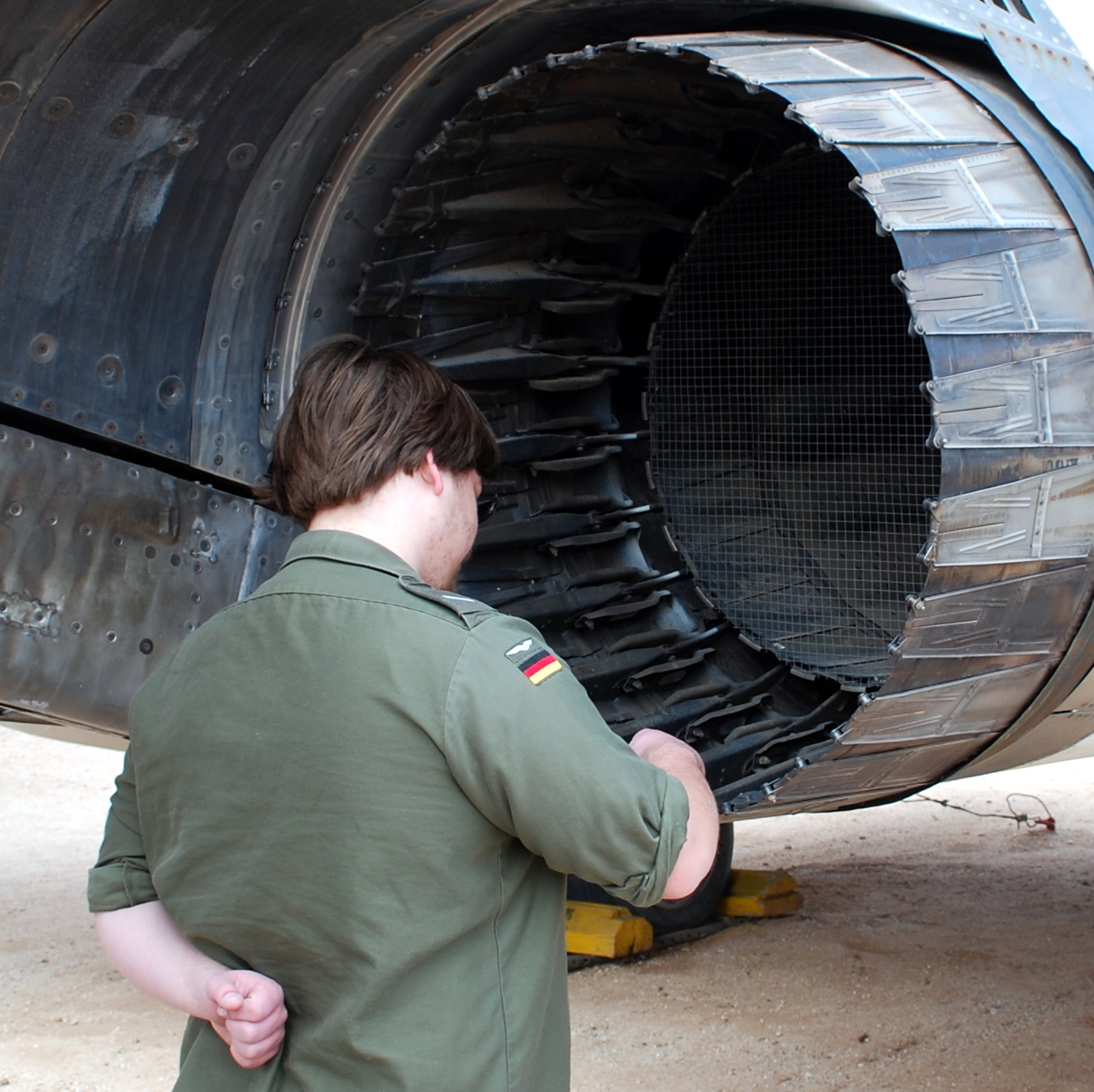
Without me saying another word, Michael had not only gone to the back of that Phantom – but gone to the right engine, and with his left hand still held firmly in the small of his back, like I’d done when I was the very same age, he took his pinkie, and swiped a little soot off the engine of a Phantom.
And no one stopped him.
© Tom Roush, 2010
“You ought to shoot the EAA airshow, you like planes so much!”
“Heh – did the Yakima airshow once. Flew over there in Fifi.”
“Fifi?”
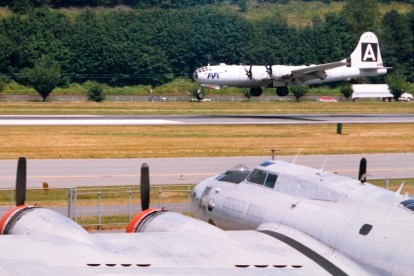
Fifi.
And so of course, I had to explain.
I’m an airplane nut, and years ago was a photojournalist, and any time I could put the two together, I would.
There was a time when a B-17 and an LB-30 (non – combat version of the plane most people would recognize as a B-24) would show up at Seattle’s Boeing field, not much of an announcement, they’d just show up. I went down there with a friend and used up a good bit of the week’s grocery money buying a walk-through tour of the planes. It was a lot of fun… I got some nice pictures – and it was fun to watch and hear the Pratt & Whitneys on the one, and the Wright Cyclones on the other rumble to life.
My wife has said I could start a conversation with anyone, and in this case, I did just that, and ended up chatting with the pilot of the LB-30, who happened to be a United Airlines Pilot living just 30 miles south of Seattle. He gave me his business card.
The LB-30 came back two years later – but with a much bigger friend from Boeing, this being what was then the Confederate Air Force’s (now known as the Commemorative Air Force) mighty B-29, with the decidedly un-mighty name of “Fifi”
Since I’d already seen the LB-30, I figured I’d see what the inside of a B-29 looked like, and used up a bigger chunk of my weekly grocery budget than last time to pay for a walk-through tour of it.
The plane, while huge on the outside, wasn’t made for comfort inside, but utility. As I moved through it, I’d find hand-holds exactly where I reached for and needed them. Definite utility – but there wasn’t a lot cushioning of anything, after all, it was a military plane.
…and as I went forward I saw a leather bomber’s jacket on the map table on the left.
Not just any leather bomber’s jacket – but the one that had the name of the pilot I’d chatted with two years earlier.
And thus began one of my “Only you, Tom… Only you…” stories..
See, this plane had come up to Seattle from Salem, Oregon.
The local CBS affiliate, KIRO, had driven from Seattle to Salem.
They’d gotten on the plane in Salem and flown back to Seattle, videotaping the whole flight.
Exclusively.
From inside the airplane.
It was considered a major coup at the time. They landed, they drove to the station, edited their stuff, and were on the air.
Needless to say, I was down there at the airport shortly after that.
And with that, a most evil and sneaky plan started festering – no – germinating (that sounds healthier) in my mind.
I found myself wondering what their plans were after Seattle -and it turned out they were going to be part of the airshow over in Yakima.
Hmmm….
So the day they were heading over there I went down again, and found the pilot I’d talked to two years earlier…
“Hey, Dick, you got anyone from the Yakima paper covering this?”
(Note: Evil, festering germinating plan being: “I’m planning on doing what KIRO did.” – not because I was brilliant, not because I had permission, but because nobody had told me I couldn’t, and I didn’t know any better than to think I couldn’t just wander down to Boeing field and talk my way onto the only flying B-29 just because I had a camera…)
So I went to the pay phone inside the Museum of Flight, plunked in a few quarters, and called the Yakima Herald Republic, where my friend Jimi Lott had been the photo editor, and asked them if they were covering this. They said yes, they were. So I figured my chances were slim, to none. But about 15 minutes before scheduled takeoff, the photographer still hadn’t shown up, so I called them back and was a little more specific in my question.
“Do you have anyone in Seattle covering this? Someone who’s going to get on the plane and fly with it, shooting all the way?
“No.”
“NOO?”
“No.”
Then I got all young and stupid and just about yelled at the photo editor there for not having a photographer ready to fly back there on the plane…
They didn’t have anyone in Seattle covering this?
They didn’t have anyone in Seattle covering this…
Gad… Didn’t they know what a piece of history this was?
Didn’t they realize they were missing a once in a lifetime event?
Didn’t they –
–the photo editor finally had enough of my attitude and said, “Now what did you say your name was again?”
“Tom Roush…. Jimi Lott’s a friend of mine.”
Jimi used to be his boss.
“Right, so what do you want me to do?”
The light went on…
THEY DIDN’T HAVE ANYONE IN SEATTLE COVERING THIS!
“Well, you don’t have anyone here, right? So here’s what I’m planning on doing… I’m gonna walk out there and see if I can talk my way onto the plane. If I can, I’ll be over there in about 45 minutes or so…. You want color or black and white?”
<stunned silence>
“Uh… Color, I guess…”
“Right. I’ll call you when I’m at the airport.”
“Um… sure…”
I got off the phone with the photo editor, left the Museum of Flight, and walked out toward the plane, which was surrounded by this teeming throng of people, just in time to hear someone yell, “Okay, where’s the photographer?”
And I, Tom Roush…
…who’d driven down there on a whim, and had just convinced the photo editor of a newspaper I’d never seen to buy a picture I’d only be able to take if I could get onto a plane I’d promised the pilot I’d get onto the front page of a newspaper that…
I’d…
never…
seen…
(yeah, I still have to read that sentence a couple of times myself – still working out the catch:22ness of it all)
…called out, “HERE!”
Moses himself couldn’t have parted the crowd any better.
I waved my hand, and “Fwwwwooomp” – Instant walkway. I walked through, feeling simultaneously embarrassed at the attention, and elated beyond words that it was happening.
I tossed my itty bitty duffel bag onto the plane, swung the camera bag up, climbed up, and in 5 minutes we were gone.
They’d started up this noisy little air cooled V-4 Wisconsin motor like my Grampa had on his hay baler – but this was attached to a honking generator. (If you ever saw the NOVA: B-29 Frozen in Time special, it is this generator that broke free and started the fire.) They used the V-4’s generator to run the starter for the number 3 engine. Once that was running, they used the generator on that engine to start up the rest. I could see the tops of the cylinders vibrating a bit through the open cowl flaps as the propellers blew the smoke from starting those big radial engines away.
We taxied out to the runway, and I was treated to one of the smoothest flights I’ve ever been on.
But we didn’t just fly up to altitude, fly over, land… No, we played tag with the LB-30, buzzed a few airfields, and flew past – not over – Mt. Rainier. I hung out the side bubbles and shot up, down, left, right, directions you simply can’t see in a normal airplane.
There was a little stool that you could sit on that got your head up into another little bubble so you could see out the top of the plane. I sat on that and looked out there for a bit – until one of the crew members asked me to let another fellow up – who’d paid $300.00 for the privilege of this flight.
I’d completely forgotten that this might be something people would pay to do, much less be ABLE to pay to do. I got down and was just amazed at where I was and what all was happening. (remember, I’d gone on that $10.00 tour – which had used up a good chunk of my weekly grocery budget.)
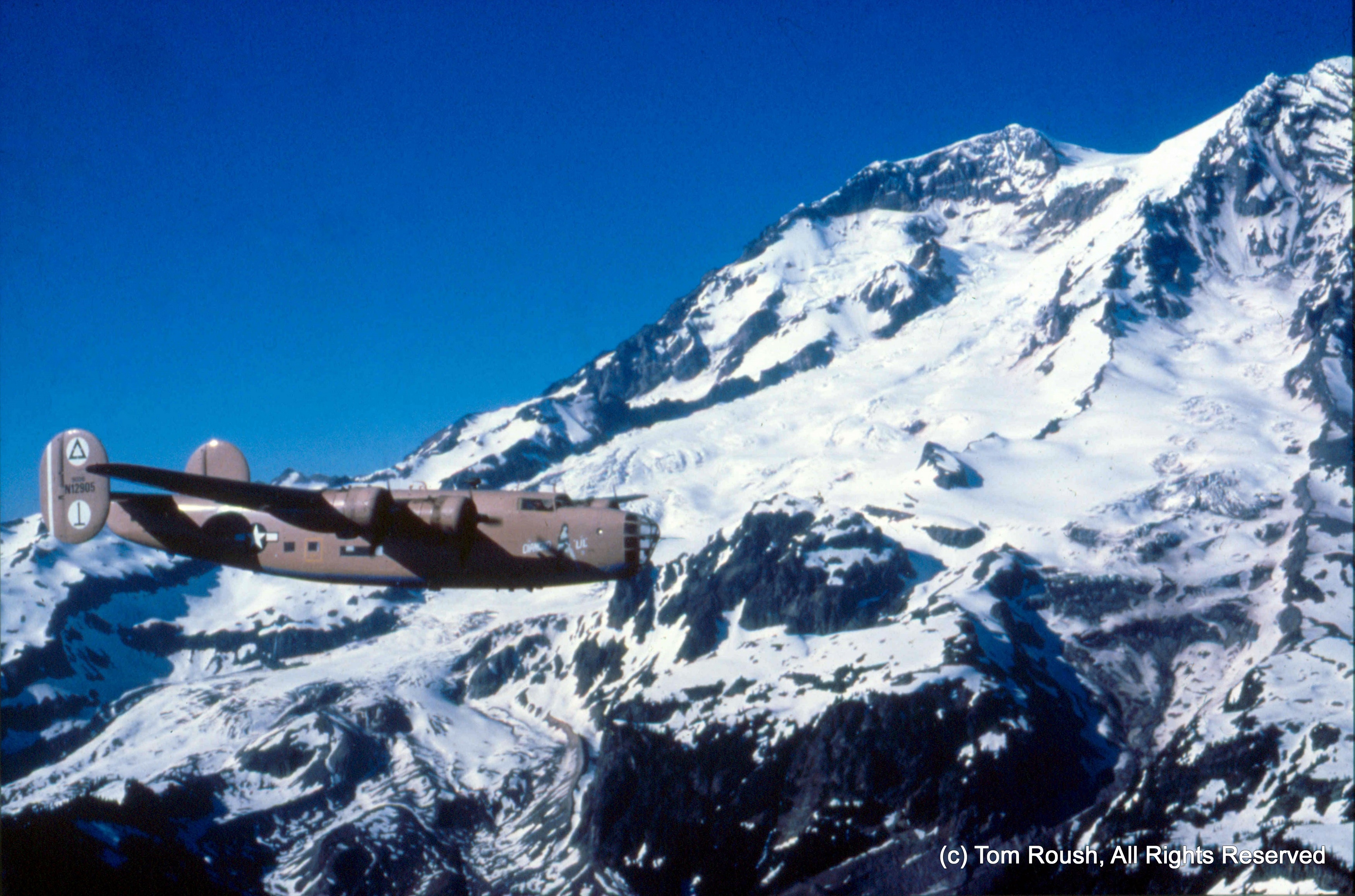
As we came close to Mt. Rainier, I asked the crew back where I was if they could get the LB-30 between us and the mountain. They called up to the pilot, he called over to the other plane, and as he flew underneath us, I got some shots of the LB-30 beneath us with apple orchards beneath it
But then, then I got the shot of the only flying LB-30 in the world, taken from the only flying B-29 in the world in front of Washington’s tallest hunk of rock.
And… and it was kind of special…
The next thing I knew we were on approach to Yakima, and we buzzed the Yakima field once and then came in to land. I hurriedly said my goodbyes and explained I had to make a deadline. I found a huge bank of temporary pay phones (this was BC, before cellphones) and called the paper, got the photo department, and got the photo editor I’d gotten all stupid over less than an hour before.
“Hey, this is Tom, I’m here.”
“Here… Here? Where’s here?”
Billy Crystal couldn’t have said it better.
“The airport.”
Exasperated pause…
“WHICH airport?”
Which airport – what kind of a question was that? I mean, I’d just talked to him, I’d told him where I was going to be – where did he expect me to be?
“Well Yakima, of course.”
<more stunned silence… >
…and in a voice tinged with resignation, I heard, “I’ll have someone there to pick you up.”
Ten minutes later, a white Toyota, driven by the same photo editor I’d been talking to on the phone, arrived to take me to the paper, where while we chatted, the film was processed, edited, and then, with a press pass to the airshow, returned to me.
I didn’t really know what to do after the paper went to the printers – so I found a hotel, a Super 8, I think, for $35.00, had some dinner at a nearby restaurant, and went to bed.
The next morning I walked to a nearby Denny’s where I found a whole bunch of Air National Guard photojournalists who were covering the airshow sitting at a table looking at the front page of the local paper.
A picture of an LB-30 in front of Mt. Rainier.
The picture had made page 1.
We talked and laughed and told war stories to each other over coffee, and they, realizing that my car was about 150 miles away, kindly invited me to ride out to the airshow with them. They gave me a press pass, too. I was like the proverbial kid in a candy store. I could go anywhere I wanted. I could get photos of planes I’d never seen before, or since. I could watch the aerial demonstrations of the A-10 Warthog, I could watch things blow up, and I could do it all from in front of the front row.
There was NOTHING between me and the airplanes – in fact, anyone taking pictures of the planes got the back of my head in the bottom of their pictures.
How unutterably cool.
I shot and wandered, and wandered and shot, got sunburned, had a cheap hot dog and chatted with pilots and crew and just had the time of my life, and when they started firing up some of those big engines to leave, I knew it was time for me to head out, too, so I walked into the terminal, found the Horizon Airlines desk, called Jimi to see if he could pick me up at SeaTac, and then bought a ticket back to Seattle for $45.00.
As we flew back, I saw the same scenery as I’d seen coming over, but it was different, and I was different.
Jimi came to pick me up when I got to SeaTac, and we talked and laughed as he took me back to Boeing field and the Museum of Flight where I’d left the Saab the day before. In a few days the paper sent me a check for $35.00 (the same that the Super 8 motel charged me.)
For the price of a flight back and a couple of phone calls, I’d had a weekend to remember, and the experience of a lifetime.
The picture at the end of this story was shot in Grad School – Ohio University, sometime around 1988 or so.
I had a friend and classmate, Johnny Crawford, a wonderful shooter from the Atlanta Journal Constitution, who was truly a lot of fun to be with – but he had this one habit that just got to me after awhile… it was his penchant for saying, “Tom, you ain’t lived till you’ve…” – and then fill in the blank with something that he’d done and he knew I hadn’t.
Understand, he wasn’t gloating, he wasn’t being mean, he was just telling me how cool it was to have been able to do something he had done, and, in his eyes, I hadn’t lived till I’d done one of those things.
Well one day he says, “Tom, you ain’t lived till you’ve shot F-15’s bein’ refueled.” – now of course I knew that he wasn’t talking about F-15’s being refueled on the ground, he was talking about that complicated aerial ballet that means you’ve got two airplanes flying around 250 – 300 mph within about 40 feet of each other, pumping highly refined kerosene from one to another at a rate of about 6,500 pounds a minute. This is enough fuel in one minute to run your average family car for a year.
Uh… Yeah…
Eventually I got a little tired of never having lived – so I needed to figure out where I could find a refueling base, because that’s where I’d need to go to get onto a KC-135 refueling plane to take that shot that was going to ensure that I lived. I went to the library, and checked out a book about the military, and it gave me the location of all the bases in the United States. And funny thing, but there was a base with a KC-135 wing 68 miles away, the 121st Air Refueling Wing of the Ohio Air National Guard.
Hmmm…
Now anyone who knows me knows I am just plain dangerous with a telephone. My wife says I can talk to anyone, and sometime I just end up sweet talking my way into things that even I end up baffled at once everything’s all said and done. She once complained that I could get into a 20 minute conversation with a telephone operator. (She was wrong… it was 45 minutes, and I did, actually, the telephone operator used to be an air traffic controller when Reagan was presi – well, that’s not important right now). So about 3 telephone calls later, I’m on the phone with the PAO (public affairs officer) of Rickenbacker Air National Guard base, in Columbus, Ohio. I explain to him that I’m a grad student in photojournalism at Ohio University and that I’m working on a story on the Air National Guard (partially true, well, I was starting it – and a picture was worth a thousand words, right?) and was wondering if there was any chance of getting up on a refueling mission to take some pictures. So – after talking about that and security and stuff for a bit, he suddenly said, “How’s next Tuesday?”
Next…
What!? –
It had to be harder than this…
It just had to be.
Nope. Tuesday it was…
Plane took off at 10:00. We’d be refueling some Missouri Air National Guard F-4 fighters who were on a training mission. I had to be there 2 hours earlier, which meant I had to leave an hour before that, and so on. I borrowed a car from a friend and found the airbase, talked my way into see the right people, made the right introductions, signed the right paperwork, and out the door I went, still completely baffled… It just had to be harder than this…
One of the things to understand about military planes is that they are generally not built for comfort, so the plane was loud. This being an Air National Guard plane – the same folks had flown this same plane for years, so to them it wasn’t much different than you or I driving down to the store to get a quart of milk. However, they’re going a little faster, they have 4 engines pushing them along, and the store’s a lot further away. At one point, I was up in the cockpit and the navigator did some calculating, and noticed that if we continued at the rate we were going, we would be late to meet the planes we were to refuel, and since we were the only gas station around, us being late could easily mean those flying jet fighters would fly about as well as crowbars, and that’s not good. So he saw we were going 300 mph, and told the pilot to bump it up to 330. The pilot reached up and wrapped his hands around the 4 throttles and – well, ‘bumped’ them up a bit. I had no idea a plane that big, could accelerate that fast at that speed. I was watching the airspeed indicator, and we went from 300 to 330 in a blink. I was very glad I’d been holding onto something when he did it or I would have ended up in the back of the plane.
We got to the refueling zone – and I was told that the way the refueling is done, is that the pilots of the tanker, and the pilots of the planes needing the fuel fly directly at each other, the tanker flying 1000 feet higher. When they get close, they both head in the same direction – so, say the tanker I’m in is flying east. The planes needing the fuel are flying west, toward each other, and at a given point, everyone heads north, so that the F-4’s are below and behind the tanker. Our call sign was Pearl 07. Theirs were Misty 41 and 42.
The weird thing, for lack of a better word, about all this is that it was happening in three dimensions. I mean, if you’re here on the ground, and you point to something, your arm is generally parallel to the ground or close to it, because whatever you’re pointing at is usually on that same ground, or close to it. When I saw these planes – I was in the back of thfe tanker, looking out the back – and they were swooping in from the right, and they were off to the right, and down. Not just ‘over’ but ‘down’. One of the planes was leaving what looked like a white smoke trail, and I heard over the radio, “Pearl 07, Misty 41, I’ve got a fuel leak, returning to base…”
I don’t know about you, but a fuel leak you can see at 300 miles an hour must be a pretty significant fuel leak… He left.
Misty 42 came closer – into what they call the pre-connect area in the back of the plane, and just stayed there for a bit – I was amazed at how big the thing was, and had the widest lens I had on my camera (a Nikkor 24mm ) – I was framing the shot when Gus (the boom operator) said, “Misty 42, forward 50” – meaning he needed to come forward 50 feet to get into the area where the boom could connect. Now I don’t know why I wasn’t expecting much acceleration out of that plane – I mean the plane can go twice the speed of sound, for crying out loud – but when he came forward that 50 feet, it was like he’d been shot out of a cannon, and then he stopped, parked right where he needed to be. Somewhere in there, just before he hooked up I reflexively squeezed off a shot, and that was the only shot I got that was worth anything – after that he was just too close.
He took 3,000 pounds of fuel, I don’t know why I remember that. He wasn’t there very long, and then, since Misty 41 had already left, Misty 42 peeled off in ways I’ve only seen in movies – and there just isn’t a comparison to seeing it in real life, as opposed to seeing it on a screen, where, no matter how much they try to show the three dimensions of what’s happening up there, it’s still a two dimensional screen. It just doesn’t cut it. It was so, incredibly, cool.
We turned back east and headed back over Illinois, Indiana, bits and pieces of Kentucky, and finally made it down out of the wonderful sunlight, down through the clouds, and into a rainy Ohio afternoon.
We debriefed, I headed back toward Athens in my borrowed car with an exhaust leak, and stopped at a Burger King on the way to get a late lunch while I had the color film developed next door. What I didn’t know is that this particular film developing process didn’t use fresh chemicals for each batch of film. They used them until the film didn’t come out good anymore, and then changed the chemicals.
Guess whose film was the last one through that batch of chemistry? The prints just didn’t look quite right. It turned out that the film, though developed, was simply not printable in color, the three colors (cyan, magenta and yellow) didn’t develop at the same rate – and there just wasn’t a way to color balance all of the colors at the same time. After a lot of thought and frustration (considering what I’d gone through to get this picture) I ended up out of pure frustration printing it in black and white.
This, surprisingly, was a dang good idea…
Of course, by now it had been a long day, lots of driving, lots of flying, and because of the car, lots of carbon monoxide, and now I had to go to the darkroom on campus to print the pictures. Of course, it was always a social event because there were 50 enlargers in the darkroom, and everyone was working on their own images, and every now and then, you’d go out into a finishing area and look at them in white light instead of the orange safelights, to see what the thing really looked like, wash it off, spot correct dust, etc…
…and, if you had a particularly good one, you might find yourself examining it a little longer out there where other people could see it, if you know what I mean…
One of the things in that original image was that there was this huge black area in the bottom right of the picture, part of the inside of the plane that that wide lens caught. I was trying to figure out how to make the picture work without cropping too much, and yet that black area just sucked your eye right down there when one of my classmates walked up and saw the picture.
“Wow! Cool picture! Who take that?” (he was from China, and this is how he talked)
“I did.”
“No, Tom, you not take that picture, don’t joke… Who take that picture?”
“Seriously, I did.”
He could see I wasn’t joking – honestly, by that time, I was too tired to joke.
“Okay, fine… Where you take that picture?”
… but I wasn’t too tired to string him along a little and mess with him…
“Missouri.” (understand, Missouri is three states west of Ohio, easily a day’s drive)
“Missouri? No, Tom… You joking again. Where you take the picture?”
“Okay, I’ll be more specific… 26,000 feet above Fredericktown, Missouri.”
There was a look of consternation on his face, and finally resignation as he realized I wasn’t kidding.
“Okay Tom, you not joking this time… When you take the picture?”
– This one was like feeding a straight line to a comedian, and the only thing I could do was the last thing he’d expect.
I looked at my watch.
His eyes got real big, then he just threw up his hands and gave up. The thing is, at the time he asked the question, I’d taken the picture about 6 hours ago – so the most logical thing to do was to look at my watch and find out how to answer his question.
I was so hoping Johnny would come by so I could tell him I’d lived. He did, later – but the reaction from my classmate was the best.
That said, below is the shot of Misty 42.
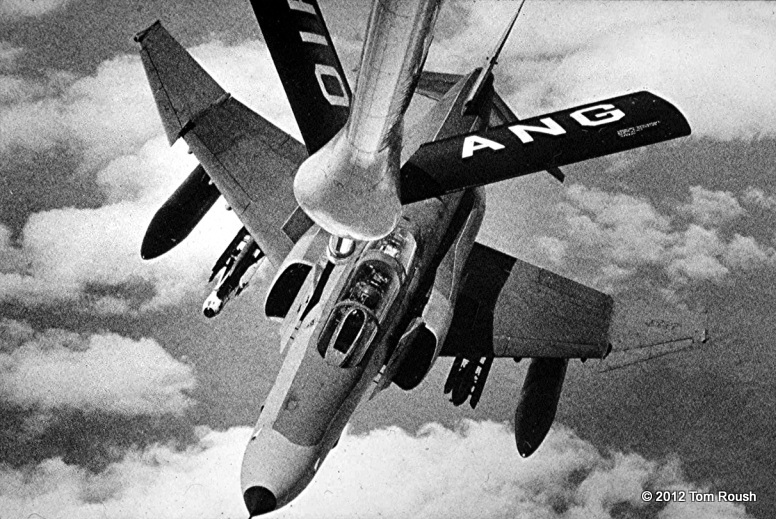
Misty 42 – an F-4 flown my the Missouri Air National Guard. Photo by Tom Roush – from an Ohio Air National Guard KC-135.
…and just recently I found a video that someone else had taken that’s pretty accurate for what it was like.
The above shot would have been taken just before the video starts.
PS – years later – I got back in touch with him and sent him this story.
His response: “Tom, you have Lived!”
🙂

 Tom Roush's Blog